Property Entry–Exit Audit: Can You Prove Its Condition?
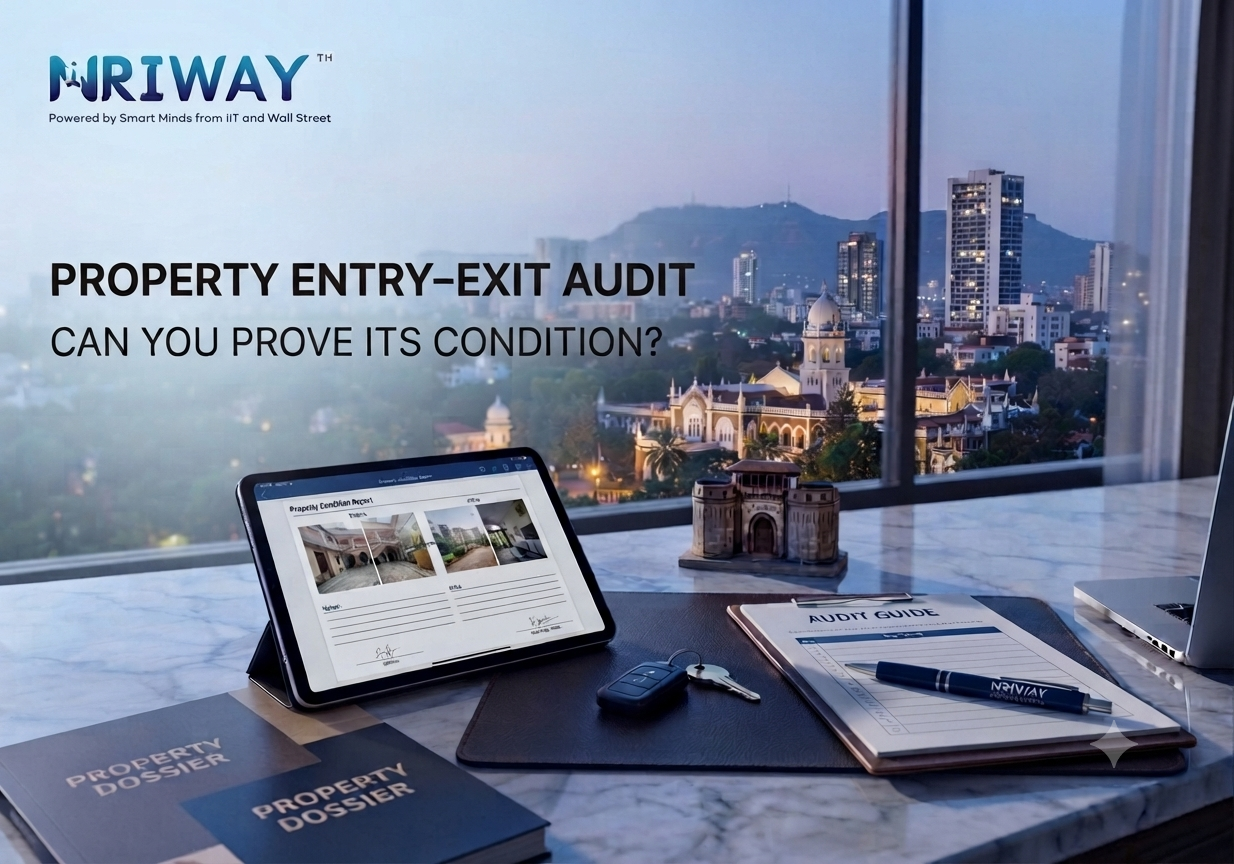
Your Property Was Fine When the Tenant Entered. Can You Prove It?
The Entry–Exit Audit Every Property Owner Should Know About
Most property owners remember the day they handed over their property.
The house was clean. The appliances were working. The walls were freshly painted. The furniture was in place. The keys were handed over.
And then life moved on.
Months later, the tenant moves out and questions begin.
Was that damage already there?
Was the appliance working when the tenant moved in?
Was the wall already marked?
Were all the keys returned?
Was the furniture in the same condition?
This is where one simple distinction becomes extremely important:
Remembering the condition of a property is not the same as documenting it.
A property owner may genuinely remember how the property looked. A tenant may genuinely remember something differently. Neither party necessarily has bad intentions.
But when memories conflict, objective documentation becomes valuable.
What Is an Entry–Exit Audit?
An Entry–Exit Audit is a structured inspection and documentation process that records the condition of a property at the beginning and/or end of a tenancy or occupancy.
Depending on the agreed scope, it may cover:
Walls and ceilings
Flooring
Doors and windows
Electrical fixtures
Plumbing and sanitary fittings
Kitchen fixtures
Appliances
Furniture and inventory
Existing defects
Relevant utility or meter readings
Keys, remotes and access devices
Photographs and written observations can create a condition record that can later be compared with the property's exit condition.
Why Is the Entry Condition Important?
Imagine handing over a property with a small crack on a wall.
You know it existed before the tenant moved in.
But you did not photograph it.
At exit, the tenant says:
“That crack was already there.”
You say:
“No, it wasn't.”
The discussion becomes a disagreement.
Had the original condition been properly documented, the conversation could potentially have started from evidence rather than memory.
This does not automatically determine legal liability or guarantee a particular outcome. It creates a clearer factual record that may support communication, maintenance decisions, settlement discussions or professional/legal review where required.
What Should Be Documented?
A professional inspection should go beyond taking a few random photographs.
Physical Condition
Walls, ceilings, flooring, doors, windows and visible surfaces.
Fixtures
Fans, lights, switches, taps, sanitary fittings and other installed fixtures.
Appliances
The condition and relevant operational observations of appliances within the agreed inspection scope.
Inventory
Furniture, appliances and other items handed over with the property.
Existing Defects
Visible damage or defects present before occupancy.
Utilities
Relevant meter readings and utility-related observations.
Keys and Access
Keys, remotes, access cards and similar devices.
Why NRIs Need This Even More
For an owner living abroad, physical presence during handover may not always be practical.
An NRI may own property in India while living thousands of kilometres away.
Distance creates a visibility problem.
The owner may hear:
“Everything is fine.”
But what does fine actually mean?
A structured audit can provide photographs, condition observations, inventory information, relevant utility readings, key/access details and a clear report.
It converts a verbal update into documented visibility.
The OrangeLeaf Approach
OrangeLeaf Services believes property management should move away from assumptions and towards documentation.
Our Entry–Exit Audit is designed to create a structured record of the property's condition at important handover points.
Because ultimately:
If you cannot establish the starting condition, proving the change can become much harder.
OrangeLeaf Services
Document the condition. Protect the asset. Reduce the uncertainty.
Related Posts



Thank You

Thank you for subscribing to our newsletter.